

New Ofsted Report Cards: What Early Years Providers Need to Know
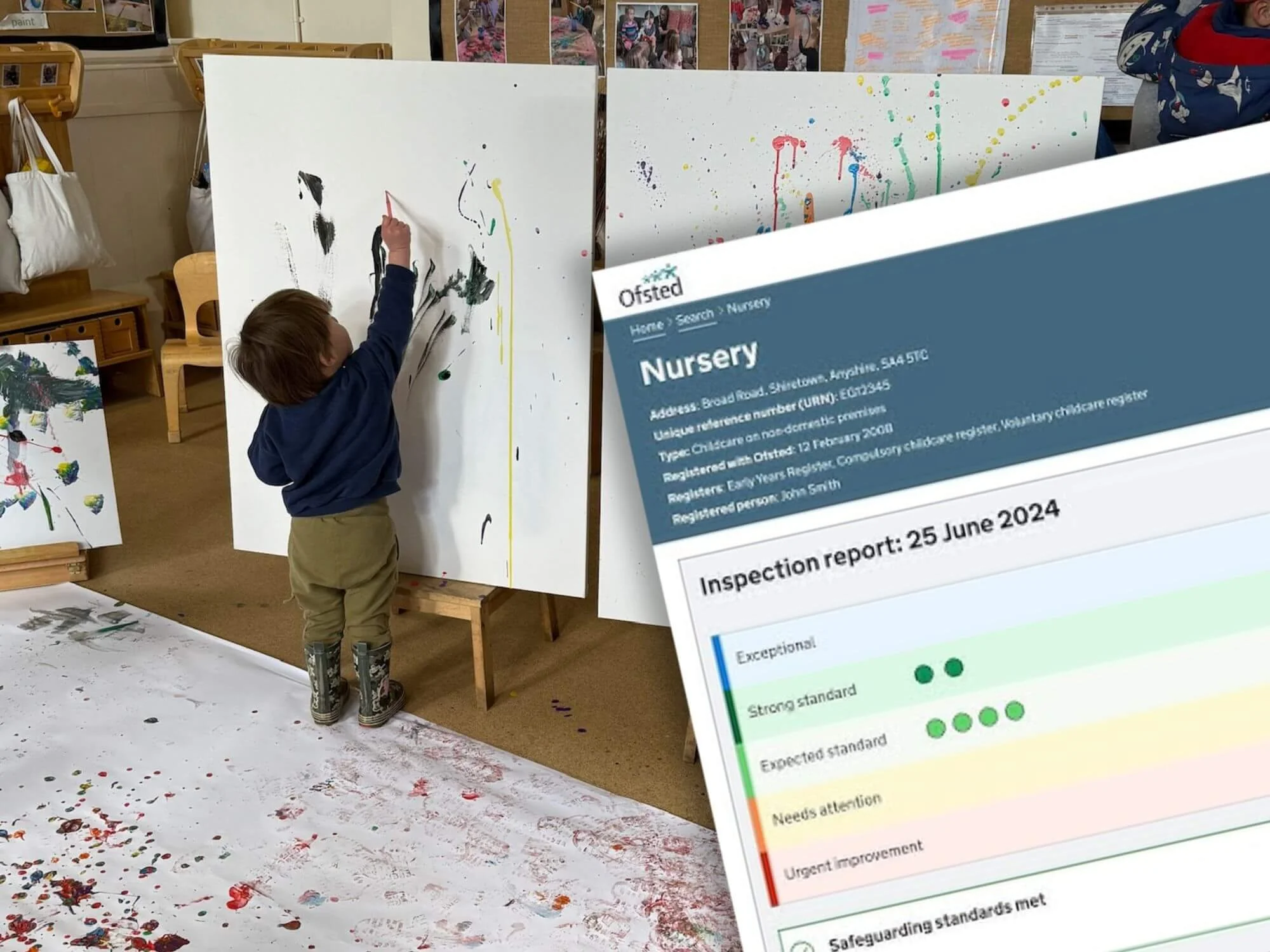
Ofsted has now published the first new-style inspection report cards, marking a significant shift in how early years and education settings are evaluated and communicated to families. These changes follow the major overhaul of the inspection framework that came into effect in November 2025, and they represent one of the most substantial reforms to inspection reporting in recent years.
For many providers, this change brings both opportunity and uncertainty. Below, we break down what’s new, what it means in practice, and how settings can prepare with confidence.
A Move Away from the Single Overall Grade
One of the most notable changes is the removal of the single overall judgement. The familiar labels - Outstanding, Good, Requires Improvement, Inadequate - have now been replaced.
Instead, Ofsted inspection outcomes are presented as a detailed report card, offering separate, colour-coded grades across key areas of practice. These include:
Leadership and management
Inclusion
Curriculum
Achievement
Behaviour and attitudes
Personal development and wellbeing
This shift is designed to give a more balanced and transparent picture of a setting’s strengths and areas for development, rather than reducing complex practice to a single headline grade.
Introducing the New Five-Point Grading Scale
Each area of the report card is now graded using a five-point scale:
Exceptional
Strong standard
Expected standard
Needs attention
Urgent improvement
The intention behind this scale is to reflect the realities of practice more accurately and to support meaningful improvement, rather than comparison. Early indicators from the first published report cards suggest that most settings are being judged within the ‘expected standard’ and ‘strong standard’ categories, which reinforces the idea that this framework aims to normalise good, reflective practice rather than create pressure to achieve a single top label.
What This Means for Your Setting
While the language and structure have changed, inspections remain rooted in what you do, why you do it, and the difference it makes for children. However, there are some important shifts in emphasis that leaders need to be aware of.
1. Stronger, More Holistic Self-Evaluation
Settings now need robust self-evaluation across multiple areas of practice, not just a focus on one or two headline priorities. Leaders should be able to clearly articulate:
What your priorities are
Why these matter in your context
What actions you are taking
The impact of these actions over time
This doesn’t mean more paperwork for the sake of it, but it does require clarity, coherence and reflection.
2. Aligning Evidence With the New Toolkit
Inspection conversations and evidence will now map directly to Ofsted’s new report card toolkit. This means your documentation, observations, policies and professional dialogue should clearly connect to the areas inspectors are evaluating.
Narrative matters more than ever - inspectors will be looking for consistency between what you say, what you show, and what they observe in practice.
3. Confidence in Reflective Leadership Conversations
Leaders will be expected to talk confidently and thoughtfully about all aspects of their provision. These reflective, focused discussions are a central part of the inspection process and require leaders to be honest, analytical and grounded in their values.
Being able to speak openly about strengths and areas for development is now seen as a strength in itself.
Reflective Evaluation as a Way of Working at Atelier
At Atelier, reflection is not something reserved for inspection moments. It is embedded in our everyday practice and underpins how quality is shaped, strengthened and sustained over time. We believe meaningful evaluation grows through observation, dialogue and shared thinking rather than through static judgements.
Reflection is understood as a collective responsibility. Practitioners, leaders, children and families all contribute to shaping practice through professional conversations, careful observation and ongoing reflection. This approach supports leaders to speak confidently about their decisions, priorities and the impact of their work - an expectation that sits at the heart of the new Ofsted framework.
Documentation plays a vital role in making learning, thinking and professional practice visible. It allows teams to trace development over time, demonstrating how practice is responsive, intentional and informed by reflection rather than compliance.
Our approach values process over perfection. Practice is continually evolving, and being able to articulate what you are developing, questioning and refining is a strength. This openness, clarity and reflective mindset enables leaders and teams to engage authentically in inspection conversations and present a rich, honest picture of their setting.
Support Moving Forward
Change can feel unsettling, especially in a sector already holding so much. As these new inspection approaches begin to take shape, many leaders are navigating uncertainty alongside the everyday responsibilities of caring for children, families and teams. You don’t have to do that alone.
At Atelier, we believe preparation is not about quick fixes or compliance, but about thoughtful, reflective practice that already exists within your setting. Our role is to walk alongside you - helping you make sense of the new Ofsted report card toolkit, translate it into meaningful self-evaluation, and feel confident in articulating your practice and priorities.
We offer bespoke consultancy and training that meets you where you are, honours your context and values, and supports you with clarity, reassurance and care as you prepare for inspection. Together, we focus on strengthening what you do well, identifying areas for growth, and ensuring your professional voice is heard.
If you’d like to talk through your next steps, we’d be glad to have that conversation.